



AI Sentiment: Bullish
Reason: The article highlights the growing demand for RTK GNSS technology in smart cities, emphasizing its benefits for urban planning and sustainability.
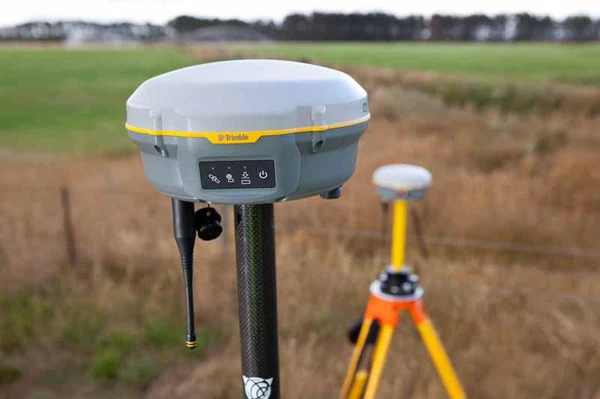
As urban areas continue to grow, the concept of smart cities has gained significant traction. These cities leverage advanced technology to enhance the quality of life for residents and improve the efficiency of urban services. A pivotal technology in this transformation is Real-Time Kinematic Global Navigation Satellite System (RTK GNSS), which provides precise location data critical for various applications in urban planning and management.
The integration of RTK GNSS technology enables cities to achieve high accuracy in spatial data collection. This precision is essential for applications such as traffic management, environmental monitoring, and infrastructure development. By utilizing RTK GNSS, cities can create detailed maps and models that facilitate better decision-making processes.
Moreover, the capabilities offered by RTK GNSS significantly enhance the efficiency of public services. For instance, in the realm of transportation, real-time data on traffic conditions can be collected and analyzed, enabling city planners to optimize traffic flow and reduce congestion. This leads to shorter travel times and decreased emissions, contributing to a more sustainable urban environment.
Additionally, RTK GNSS plays a critical role in the development of smart utilities. Water and energy management systems can benefit from precise location data, allowing for improved leak detection and maintenance scheduling. Consequently, cities can conserve resources and minimize waste, aligning with the goals of sustainable development.
As cities continue to implement smart technologies, the demand for precise positioning solutions like RTK GNSS is expected to grow. The potential for improved urban infrastructure, enhanced public safety, and better environmental management underscores the importance of this technology in shaping the future of urban living. In conclusion, the adoption of Real-Time Kinematic GNSS in smart cities not only revolutionizes urban planning but also significantly contributes to the overall well-being of city dwellers, paving the way for a more efficient and sustainable future.
