



AI Sentiment: Cautiously Bullish
Reason: Ford's strategic shift to include a gas engine in the F150 Lightning reflects adaptability and aims to meet diverse customer needs.
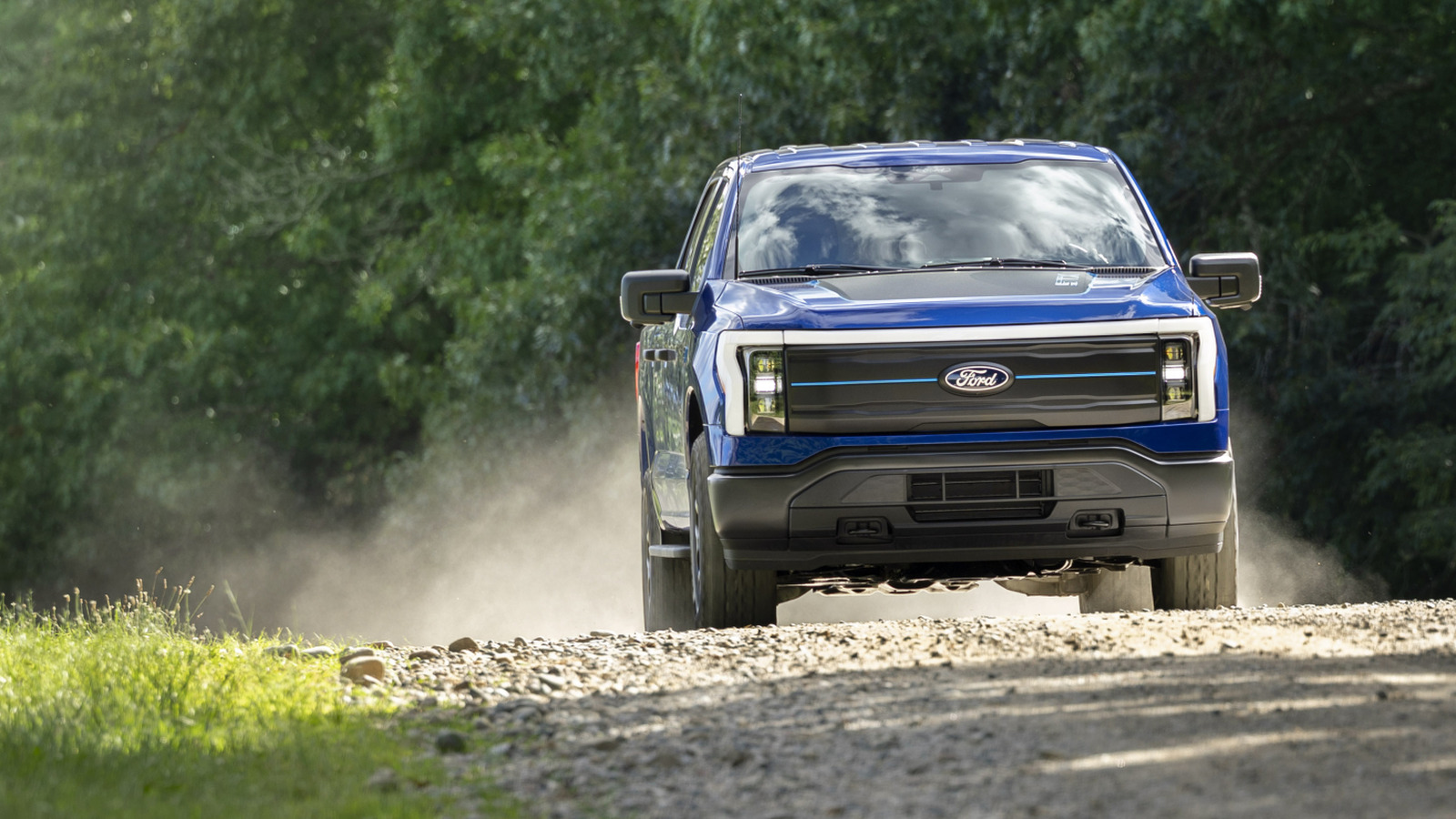
Ford has officially announced that the next generation of its popular F150 Lightning will include a traditional gas-powered engine option. This decision marks a significant shift for the automaker, which has heavily focused on electric vehicle technology in recent years. The F150 Lightning is an electric version of the iconic F150 truck, and the addition of a gas engine option aims to cater to a broader range of customers who may not be ready to transition to electric power.
The upcoming model is expected to combine the best of both worlds, offering consumers the choice between a powerful gas engine and the benefits of electric driving. Ford’s strategy appears to be a response to consumer demand for versatility, especially in the truck segment where reliability and performance are key factors. The company is keen on maintaining its leading position in the truck market while also embracing the future of transportation.
In terms of specifications, Ford has yet to release detailed performance metrics for the gas engine version of the Ford F150 Lightning. However, it is anticipated that the new model will not only meet but exceed the expectations of truck enthusiasts, particularly those who prioritize traditional engine power. The company has a legacy of producing robust trucks, and integrating a gas engine into their electric lineup seems like a strategic move to keep both loyal customers and new buyers engaged.
Ford's announcement is also indicative of a wider trend in the automotive industry, where manufacturers are exploring hybrid solutions to bridge the gap between conventional engines and electric powertrains. As the market continues to evolve, Ford aims to position itself as a forward-thinking leader while honoring its heritage.
The introduction of a gas engine in the next-gen F150 Lightning reflects Ford’s commitment to innovation and adaptability, ensuring that they can meet the diverse needs of their customer base. As anticipation builds for the release of this new model, it will be interesting to see how it performs in the competitive truck market and what impact it will have on the ongoing conversation about gas vs electric vehicles.
